
The Coachella Valley contains glamorous resorts, famous golf courses, modern architecture, and busy entertainment districts. However, some of its most memorable places come from individuals who saw possibility in an undeveloped desert landscape.
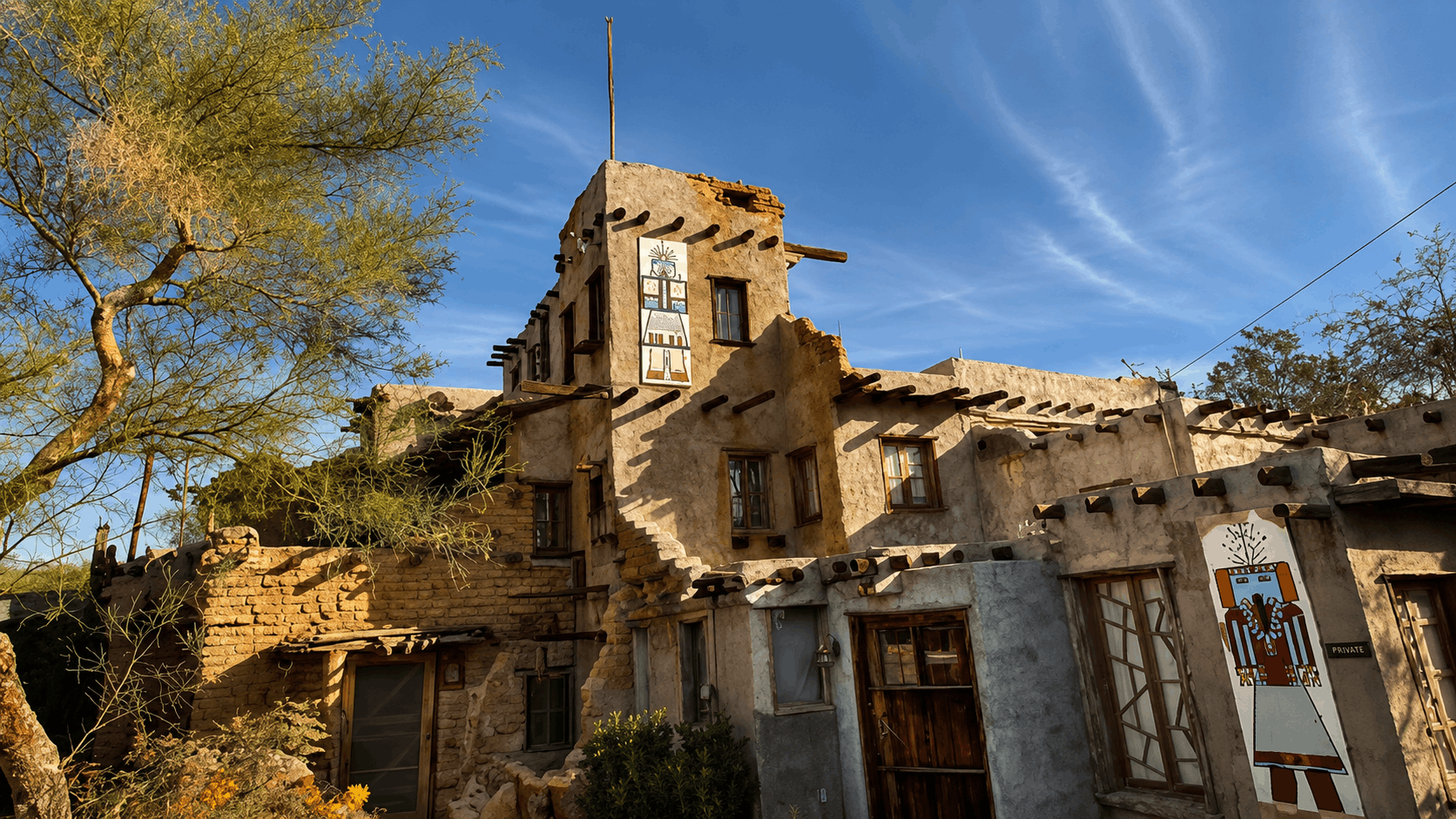
Cabot’s Pueblo Museum in Desert Hot Springs, CA offers a fascinating example. The handmade structure reflects decades of work, resourcefulness, artistic experimentation, and desert homesteading. Its unusual rooms, narrow passages, artwork, historic objects, and surrounding grounds make it unlike the polished attractions commonly associated with Palm Springs, CA.
Visitors do not need to be architecture experts or history enthusiasts to appreciate the property. The pueblo tells a personal story about building with available materials, adapting to desert conditions, and creating something distinctive through patience and imagination.
The Story Behind the Pueblo
Cabot Yerxa began developing the property during the early twentieth century after establishing a homestead in the desert. Over time, he transformed the site into a large pueblo-inspired structure built primarily by hand.
Rather than following a conventional construction plan, Yerxa allowed the building to develop gradually. He used reclaimed materials, found objects, and resources available around the region. This approach gave the pueblo its irregular shape and deeply personal character.
Rooms vary in size, ceiling height, and layout. Doors, windows, stairs, and passageways do not always follow modern expectations. Those differences form an essential part of the experience because they reveal how the structure grew over many years.
For visitors traveling from Palm Springs, CA, the property provides a sharp contrast to the area’s carefully preserved midcentury homes. Cabot’s Pueblo celebrates improvisation rather than symmetry and handmade detail rather than streamlined modern design.
Its location in Desert Hot Springs, CA also matters. The building reflects a period when the northern Coachella Valley felt remote, undeveloped, and closely connected to the surrounding desert.
Architecture Created From the Desert
One of the most interesting aspects of the museum is how the building appears to rise from the landscape. Earthy tones, stone surfaces, timber, adobe-style walls, and uneven forms help it blend with the dry terrain.
The property was not created all at once by a large construction crew. Its architecture developed slowly as Yerxa collected materials, tested ideas, and expanded the building. This process resulted in a structure that feels less like a formal museum and more like an evolving work of art.
Visitors from Palm Springs, CA may notice how dramatically the pueblo differs from the clean lines and large windows associated with desert modernism. Both architectural approaches respond to sunlight, heat, views, and the surrounding environment, but they do so in very different ways.
Small openings, thick walls, shaded spaces, and enclosed areas contribute to the pueblo’s distinctive atmosphere. The building encourages visitors to look closely rather than understand everything from a single viewpoint.
The irregular design also makes the property feel full of surprises. A doorway may lead into a compact room, a narrow path may open into a courtyard, and a simple wall may contain handmade details that reveal the builder’s personality.
Art, Artifacts, and Cultural Details
Cabot’s Pueblo Museum contains more than architecture. The property includes artwork, historic objects, photographs, tools, furnishings, and materials connected to Cabot Yerxa’s life and the region’s development.
These objects help visitors understand the practical challenges of living in the desert before modern roads, air conditioning, and widespread development changed the Coachella Valley.
The museum also reflects Yerxa’s interest in Indigenous cultures and Southwestern design. Visitors should view these elements thoughtfully and understand that the museum represents one individual’s interpretations, experiences, and collecting practices from a different historical period.
Outdoor artwork adds another layer to the experience. Sculptures and handcrafted features help connect the museum buildings with the surrounding grounds.
For travelers staying in Palm Springs, CA, the property can offer a more intimate look at local history than a large conventional museum. Its strength comes from the way personal objects, handmade spaces, and desert surroundings work together.
Exploring the Museum Grounds
The outdoor areas deserve as much attention as the interior spaces. Desert plants, weathered materials, pathways, sculptures, and mountain views contribute to the museum’s sense of place.
Walking around the grounds allows visitors to observe how the pueblo interacts with the landscape. From some angles, the structure appears almost hidden within the terrain. From others, its unusual scale and layered construction become more apparent.
The desert light can change the building throughout the day. Morning and late-afternoon sunlight may emphasize wall textures, wooden details, and shadows around windows and doorways.
Photographers visiting from Palm Springs, CA will find many interesting compositions. However, guests should follow posted photography rules and remain aware of other visitors moving through smaller spaces.
Because much of the experience involves walking outdoors, weather matters. Desert Hot Springs, CA can become extremely hot, particularly during the summer. Comfortable footwear, water, sunscreen, and sun protection can make the visit far more enjoyable.
Planning a Comfortable Visit
Before traveling, confirm the museum’s current hours, tour availability, admission details, and any temporary access restrictions. Some parts of the property may be best understood with guidance because the building contains many interconnected stories and architectural details.
Allow enough time to explore without rushing. Although the museum may not require an entire day, moving too quickly can cause visitors to miss the small features that make the property special.
Guests traveling from Palm Springs, CA should account for driving time and seasonal traffic. An earlier visit can provide cooler temperatures and leave the rest of the day open for other activities in Desert Hot Springs, CA.
You can find directions to Cabot’s Pueblo Museum. Once you arrive, pay attention to uneven surfaces, steps, narrow areas, and other features common in historic handmade buildings.
Visitors with mobility concerns should contact the museum before arriving to ask about accessible areas and available accommodations.
Adding the Museum to a Desert Day Trip
Cabot’s Pueblo Museum works well as part of a day focused on the northern Coachella Valley. After exploring the property, visitors can learn more about the mineral-water history that helped shape Desert Hot Springs, CA, or enjoy views across the valley.
The museum also creates an interesting contrast with attractions closer to Palm Springs, CA. Travelers can experience highly designed resort areas and then visit a property shaped by one person’s hands, recycled materials, and decades of experimentation.
For the next destination in this location series, continue with Old Town La Quinta: Shops, Architecture, and Desert Charm. The guide explores one of the valley’s most recognizable districts, including its courtyards, public spaces, local businesses, and walkable atmosphere.
Finding Inspiration in Handmade Design
The pueblo demonstrates how materials, textures, colors, and craftsmanship can give a property a strong identity. Not every outdoor area needs to follow a standard design or look identical to surrounding homes.
Homeowners planning pool decks in Palm Springs, CA can work with Innovative Concrete Design to explore decorative concrete surfaces that complement desert architecture and everyday outdoor living.
A thoughtfully designed surface can improve the appearance, comfort, and usefulness of a pool area. Like Cabot’s Pueblo, the strongest outdoor spaces respond to their surroundings while expressing the character of the people who use them.