
Concrete Contractor in Beaumont, CA
Choosing a concrete contractor in Beaumont starts with understanding what your surface needs. Whether you want to update an existing patio, improve a garage floor, or change the appearance of an interior concrete floor, the right finish depends on its condition and how you use the space.
Innovative Concrete Design offers decorative concrete finishes, including stamped concrete overlays, polished concrete, epoxy garage floors, interior microtoppings, and self-leveling applications. Tell us about your Beaumont property, the surface you want to improve, and your preferred result so we can discuss the project’s suitability and scope.
Concrete Solutions That Start With Your Existing Surface
A concrete surface can look worn for several reasons. An old coating may be peeling, the finish may be stained, or the color and texture may no longer suit the property. Those conditions do not all call for the same treatment.
Before choosing a finish, the existing concrete needs to be evaluated. Cracks, moisture, surface contamination, and previous coatings can affect which preparation methods and materials are appropriate. A decorative finish can change appearance, but it does not resolve every underlying problem.
Our focus is matching the application to the surface and your goals. That means discussing where the concrete is located, how it is used, and what needs to happen before a new finish can be applied.
Why Choose Innovative Concrete Design for Your Beaumont Concrete Project?
Compare concrete contractors by the work they propose, the preparation they explain, and the limits they identify. A useful estimate should help you understand what your project includes and how the selected finish fits your property.
Surface Preparation That Supports the Finish
The appearance of a finished surface depends on the work underneath it. Existing coatings, loose material, and contaminants may need to be removed before an overlay or coating can bond properly. Preparation should suit the concrete’s condition and the requirements of the selected system.
A Clearly Defined Project Scope
Discuss the area to be treated, preparation requirements, finish selection, and access restrictions before work begins. Clarifying those details helps you compare estimates and understand which repairs, removals, or additional work are included.
Finish Choices Based on How You Use the Space
A garage floor, interior living area, and outdoor patio have different demands. Vehicle traffic, cleaning habits, moisture exposure, and the desired texture all influence the choice. The goal is a finish that fits your use of the property as well as its appearance.
Customized Concrete Finishes for Your Property
Decorative concrete gives you several ways to change an existing surface. A stamped concrete overlay can introduce a patterned finish, while polished concrete creates a different appearance by mechanically refining the concrete itself. Interior microtoppings provide another option for updating suitable interior floors.
Start with the effect you want to achieve. Consider the surrounding materials, the size of the area, and whether you prefer a subtle finish or a more pronounced pattern. Color, texture, and sheen should work together with the rest of the property.
The available options depend on the condition of your concrete and the application. Discuss examples of the finishes you like, then evaluate which options are suitable for your project before making a selection.
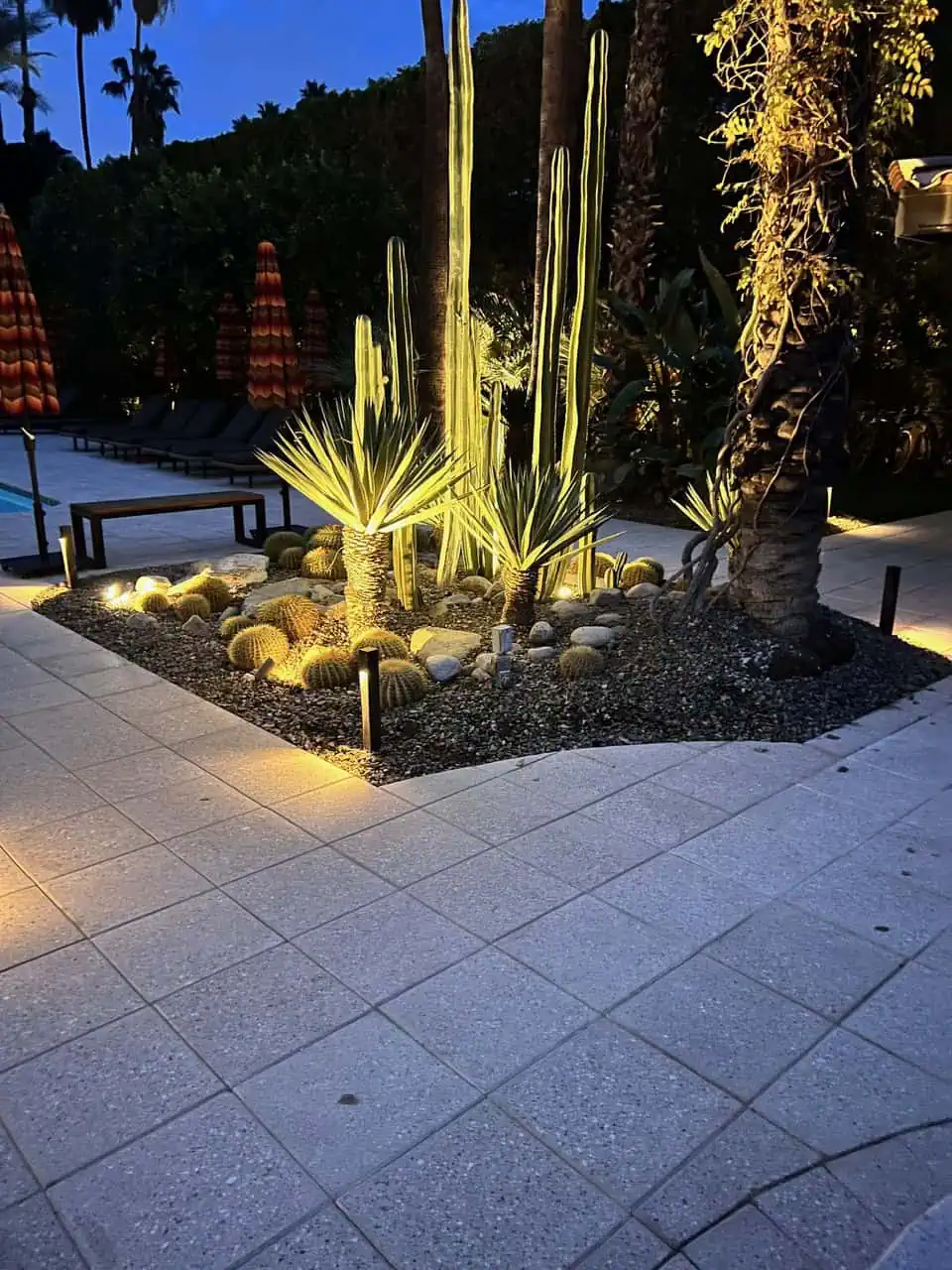
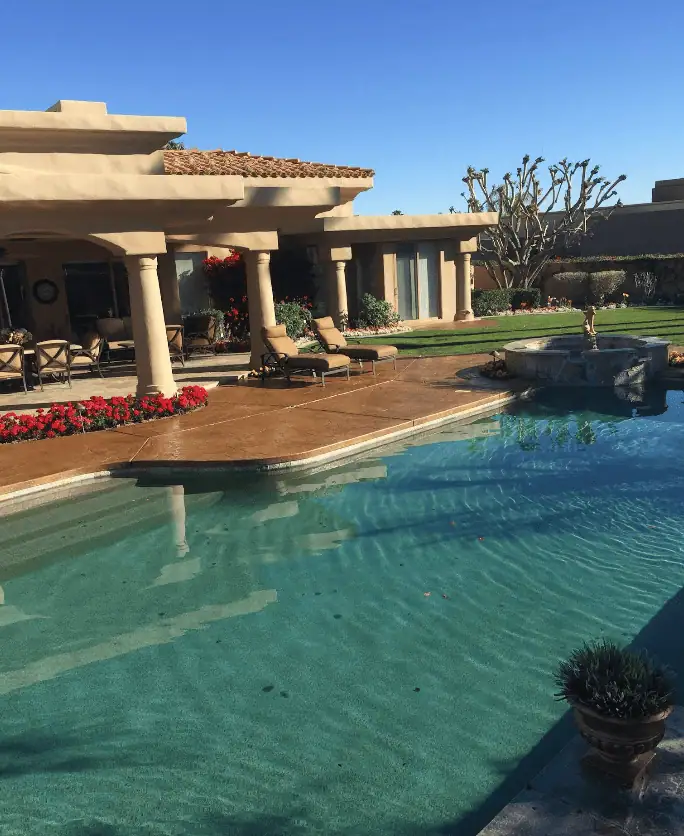
Durable Concrete Finishes With Practical Care Requirements
Durability depends on more than the product applied to the surface. Preparation, installation conditions, traffic, and ongoing care all affect how a concrete finish performs.
For outdoor areas, consider sun exposure, water, cleaning methods, and the texture needed for the way the space is used. For garages and interior floors, consider vehicle use, spills, abrasion, and compatibility with cleaning products. These factors help define an appropriate finish and maintenance plan.
Concrete finishes still require care. Cleaning instructions, protective treatments, and any future recoating or resealing needs should be discussed for the specific system selected. Avoid assuming that every finish has the same maintenance schedule.
Our Concrete Project Process
A clear process helps you understand the proposed work and prepare your property. The exact steps depend on the existing surface and the finish selected.
Surface Assessment and Project Planning
Start by identifying the area, its approximate size, and how it is used. Review visible damage, previous coatings, moisture concerns, and access. For a Beaumont project, provide the property location and any restrictions on parking, work hours, or access so they can be considered when defining the scope.
Finish Application
The application method varies by service. Stamped overlays, epoxy coatings, microtoppings, self-leveling materials, and polished concrete each involve different equipment and procedures. Color, texture, and other applicable finish details should be selected before this stage.
Preparation for the Selected Application
Preparation may involve cleaning, mechanical grinding, coating removal, or other work required by the selected system. Surface defects need to be evaluated before they are covered. If the concrete has movement or structural concerns, those issues require separate assessment.
Completion Review and Surface Care
Review the completed work against the agreed scope. Confirm the care instructions and the required waiting period before walking on the surface, moving furniture back, or parking vehicles. Return-to-use timing depends on the materials and installation conditions.
Frequently Asked Questions
How Much Does a Concrete Contractor Cost in Beaumont, CA?
The price depends on the area, existing surface condition, preparation, and finish selected. Removing an old coating or addressing surface damage can change the scope. Provide photos, approximate dimensions, and your Beaumont property location to request a project-specific estimate.
Do I Need a Permit for Concrete Work in Beaumont?
Beaumont lists walkways and driveways among work exempt from building permits, but work within the city right-of-way requires an encroachment permit. The exemption does not remove other applicable requirements. Confirm the proposed scope with the city before starting.
What If My Project Includes the Driveway Approach or Public Sidewalk?
Work within Beaumont’s public right-of-way requires an encroachment permit. If the work affects pedestrian or vehicle traffic, the city also requires a traffic control plan. Identify whether your project crosses into the right-of-way before finalizing the scope.
Can My Existing Beaumont Patio Be Resurfaced Instead of Replaced?
Will I Need HOA Approval Before Changing My Concrete Finish?
If your Beaumont property belongs to an HOA, check its architectural requirements before changing an exterior surface. Confirm whether approval is needed for the proposed color, pattern, or layout. Requirements depend on your association’s governing documents; city approval and HOA approval are separate matters.
Does Weather Affect Outdoor Concrete Work in Beaumont?
Can I Get a Stamped Finish Without Pouring a New Patio?
How Long Will My Beaumont Concrete Project Take?
The timeline depends on preparation, project size, the selected finish, and return-to-use requirements. If an encroachment permit is needed, Beaumont states that approval can take from two or three working days to several weeks, depending on the work and application completeness. Include approval time when planning your project.
What Should I Check Before Hiring a Concrete Contractor in Beaumont?
Verify the contractor’s current license status through CSLB, review insurance information, and compare written estimates covering the same scope. Confirm the proposed preparation, materials, finish, exclusions, and schedule. A license number on an advertisement does not establish that the license is currently valid.
What Information Should I Provide for a Beaumont Concrete Estimate?
Provide your property location, surface photos, approximate dimensions, and preferred finish. Mention existing coatings, visible damage, access restrictions, and any HOA requirements. Identify whether the work involves only private property or also the driveway approach, curb, or public sidewalk.